What is the most common image of an executive team?
We are used to imagining a group of people who are highly competent in their field, capable of guiding others through day-to-day operations, charismatic enough to convey purpose, and able to make decisions even under great strain.
Some of them also describe themselves as lonely, because in such complexity, revealing oneself is hard. It is difficult to show vulnerability when you carry the responsibility of being a pillar of strength.
Today, we guided an executive committee through a deeply courageous step.
An act of mutual trust.
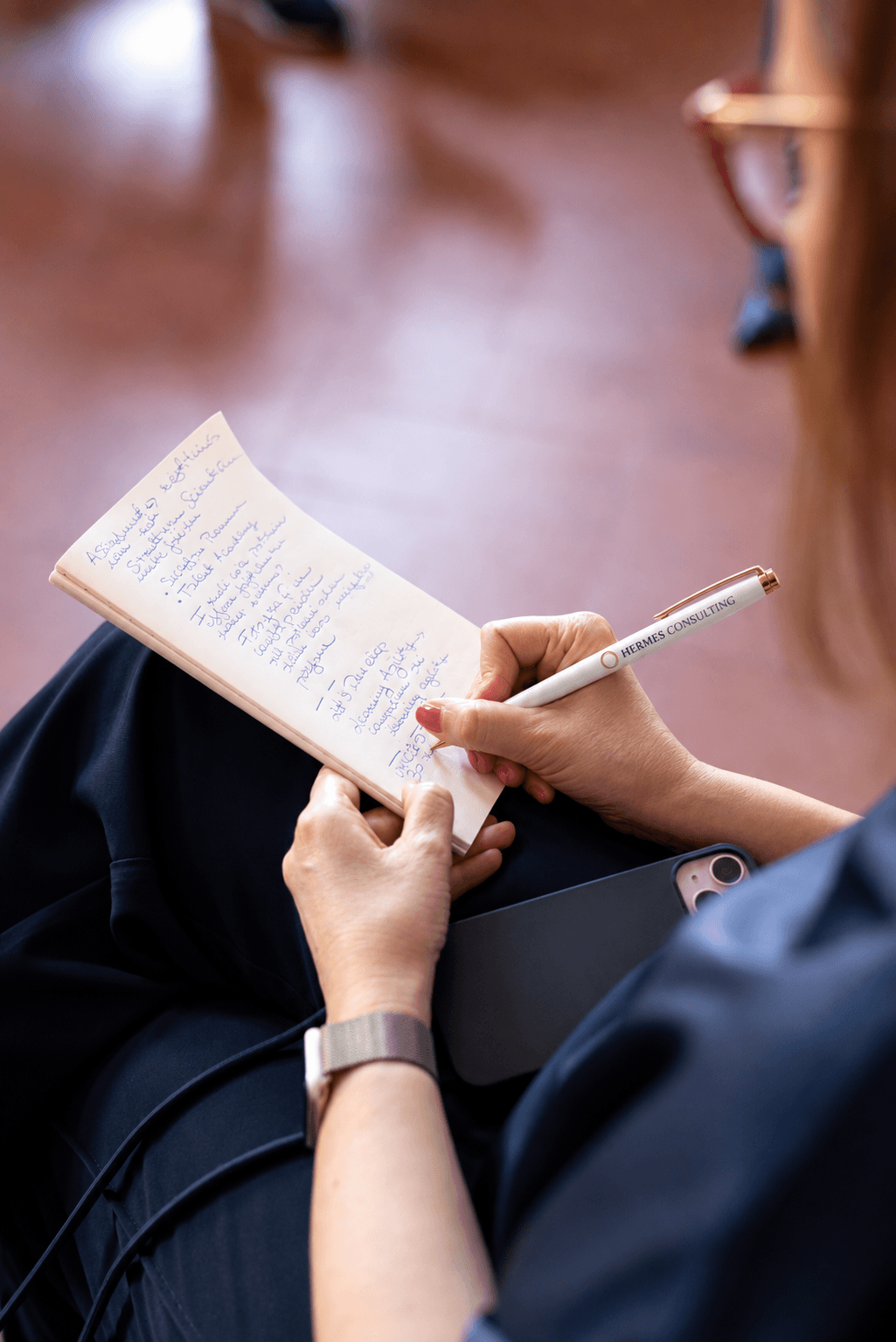
We asked them to write down their weaknesses on a sheet of paper and offer them as a gift to their team.
But let us take a small step back.
What are weaknesses?
Being weak means moving away from the illusion of having everything under control. It means accepting that, in certain areas, we need someone else’s help.
We have always been conditioned to measure ourselves against the ideal of the “strong individual”.
This is why, for many of us, weakness and flaw seem so similar that they feel like synonyms. In everyday language, we often use the latter as a substitute for the former.
Instead, we want to reflect on what being weak truly means—on the importance of our fragility as an invaluable resource.
First and foremost, every weakness is a starting point.
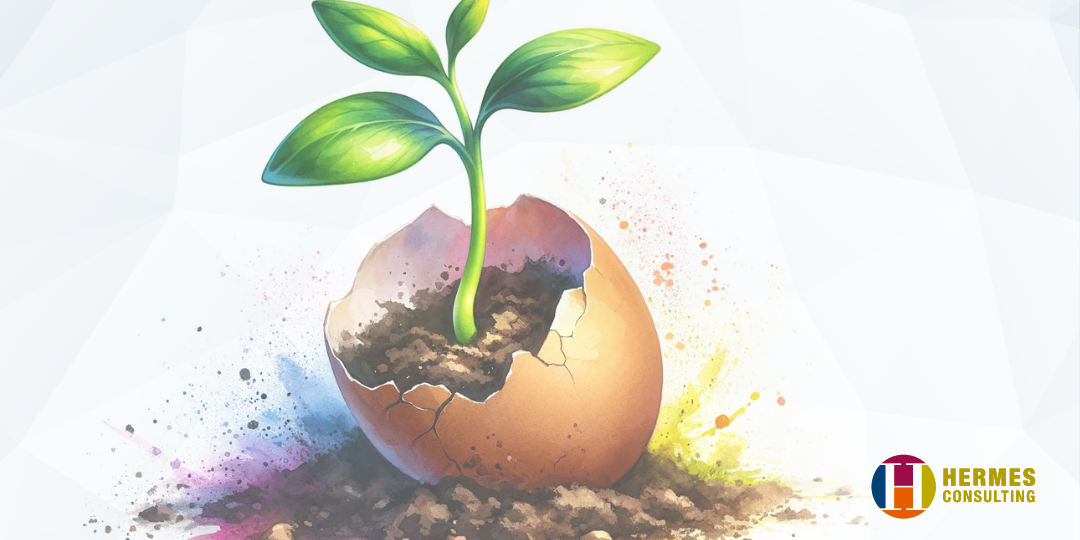
Consider a small sprout exposed to wind and weather: it is extremely fragile. Yet this very condition is necessary for it to transform into an ancient oak. If it were hard and unyielding from the start, it would have no room to grow.
Just think of the strength embodied by a stone, which remains unchanged in shape for years and years.
Embracing our weaknesses allows us to shed a shell that prevents us from expanding. Once that shell is broken, we can grow, transform, and set out on a new path.
Weakness is the origin and the essence of relational strength; it creates and preserves deep, genuine bonds. The people we choose to welcome into our lives, and whom we care about most, are those who know our vulnerabilities and have shared their own with us.
In this way, we feel free to express our doubts and share our mistakes, because we realise that the highest excellence to aspire to is not about emulating that seemingly flawless colleague.
This is how we shift away from competition and social comparison towards genuine collaboration.
None of us is strong at everything, and discovering someone else’s Achilles’ heel makes us feel less inadequate, closer, and more eager to know each other deeply, stepping forward to help and support one another.
Being vulnerable enables us to deeply understand the difficulties of others and to be kind to ourselves, embracing even the parts of us that seem far from perfect.
When embraced consciously, weakness is also an invaluable source of learning and growth, as it allows us to let go of certain things and create space for new possibilities.
It is no coincidence that every revolution begins with the courage to acknowledge our own fragilities. Dissatisfaction with the status quo is the greatest driver of progress.
What happens when a leadership team openly declares its weaknesses?
We have seen this happen across many organisations, and this is what unfolded.
Sharing their mutual fragilities unlocked a fundamental shift in the group’s dynamic, fostering an environment rich in trust and authenticity.
Collaboration genuinely flourished: with a clear awareness of each person’s areas for growth, team members planned how to work together to compensate for respective weak points, drawing on each other’s strengths. This synergistic approach is driving more thoughtful decisions and collective momentum towards the desired future.
Today, these teams have embraced a culture of learning and personal development. They send a powerful message to the entire organisation: it is normal not to be perfect, and there is always room to grow and improve.
Another tangible outcome has been an improvement in innovation and problem-solving. Aware of one another’s weaknesses, people began supporting each other by offering their own unique set of skills and expertise.
We also witnessed an increase in empathy and mutual support. This honesty and openness in asking for help brought about a deeper sense of closeness and mutual understanding.
Sharing vulnerabilities created a more humane, caring environment, leading to greater job satisfaction and higher morale, where everyone felt valued and understood.
From a leadership perspective, there was a transformation in both perception and approach. Leaders became more accessible and humble, which strengthened the respect and trust shown by their teams.
They demonstrated that leadership is not about perfection, but rather about learning, growing, and leading by example.
Above all, we observed significant personal and professional growth across the board. Confronting personal weaknesses and learning from others led to sharper individual skills and stronger self-esteem. This process helped nurture future leaders within the organisation, ready to tackle challenges with a more open and collaborative mindset.
In short, this journey towards sharing vulnerabilities did not merely enhance team effectiveness; it created a healthier, more supportive, and more productive working environment. It marked a crucial step towards building organisations that are more resilient and adaptable to change and future challenges.