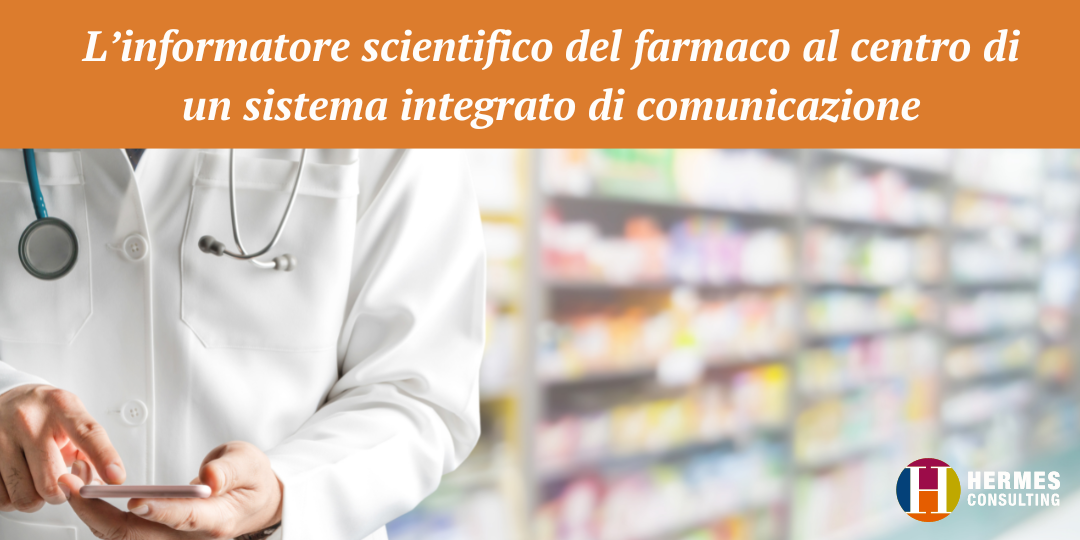
For several years now, the pharmaceutical industry has been developing a multimedia communication system with physicians. By complementing the traditional approach with new technologies, it seeks to make medical and scientific engagement more agile and integrated.
In the current context, these changes—which were already underway—have accelerated sharply, prompting a rapid shift in the landscape that will very likely persist well beyond the present crisis.
To seize this opportunity for change, pharmaceutical companies must adopt an integrated approach, starting precisely from the physician’s needs and preferences, developing communication channels and tailoring content to each individual stakeholder.
To rise to this challenge, however, platforms, technological tools and well-trained staff are not enough. Organisations must rethink how they operate, breaking down silos and moving towards a model that places the physician—along with their specific needs and preferences—at the very heart of the communication system.
While internal processes need to be refined, new communication channels explored (follow-up emails, social media, video calls, video conferences, etc.) and appropriate content developed for each touchpoint, it is equally essential to focus on transforming the role of the medical sales representative.
The medical sales representative remains—and will continue to be—the primary point of contact with physicians. This ongoing dialogue is vital not only for providing scientific updates, but also for gathering insights from clinical practice that prove invaluable in steering medical research.
For an integrated communication approach to succeed, it is crucial to achieve the full engagement of the medical sales representative as the central coordinator and driver of all physician-facing activities.
To guide medical representatives swiftly through this evolution, two key areas must be addressed:
- Support medical representatives in shifting their relationship mindset, helping them overcome limiting beliefs and the resistance inherent in long-established ways of working.
- Develop the technical and behavioural skills needed to leverage digital tools and approach physician interactions in a fresh, different way.
Developing an integrated communication process can enhance interactions with physicians in terms of quality and scientific depth, provide valuable professional enrichment for medical representatives through innovation, and make scientific engagement more agile and sustainable—including from an environmental perspective.
Written by:
Bruno Belvedere
Senior Consultant at Hermes Consulting